For logistics coordinators and procurement teams at international NGOs working in Jerusalem and the West Bank, vehicle rental is rarely straightforward. The combination of cross-border operations, regional insurance complexity, UN and donor compliance requirements, and the operational tempo of field work creates a specific set of needs that most rental companies are not equipped to meet.
Understanding Your Compliance Requirements First
Before approaching any rental provider, NGO procurement teams should clarify what their organisation's own policies require. Common requirements include: vendor registration with proof of insurance, minimum insurance coverage thresholds, cross-border documentation for USAID, EU, or UN-funded operations, and invoice formats compatible with donor reporting systems.
The most important question — and the one that eliminates the most vendors — is the cross-border insurance requirement. If your staff will travel between Jerusalem and the West Bank, your vehicle must be covered in Area A and B. Many NGOs have discovered after incidents that their rental vehicles were not.
What to Ask a Rental Provider
Fleet Management for Organisations
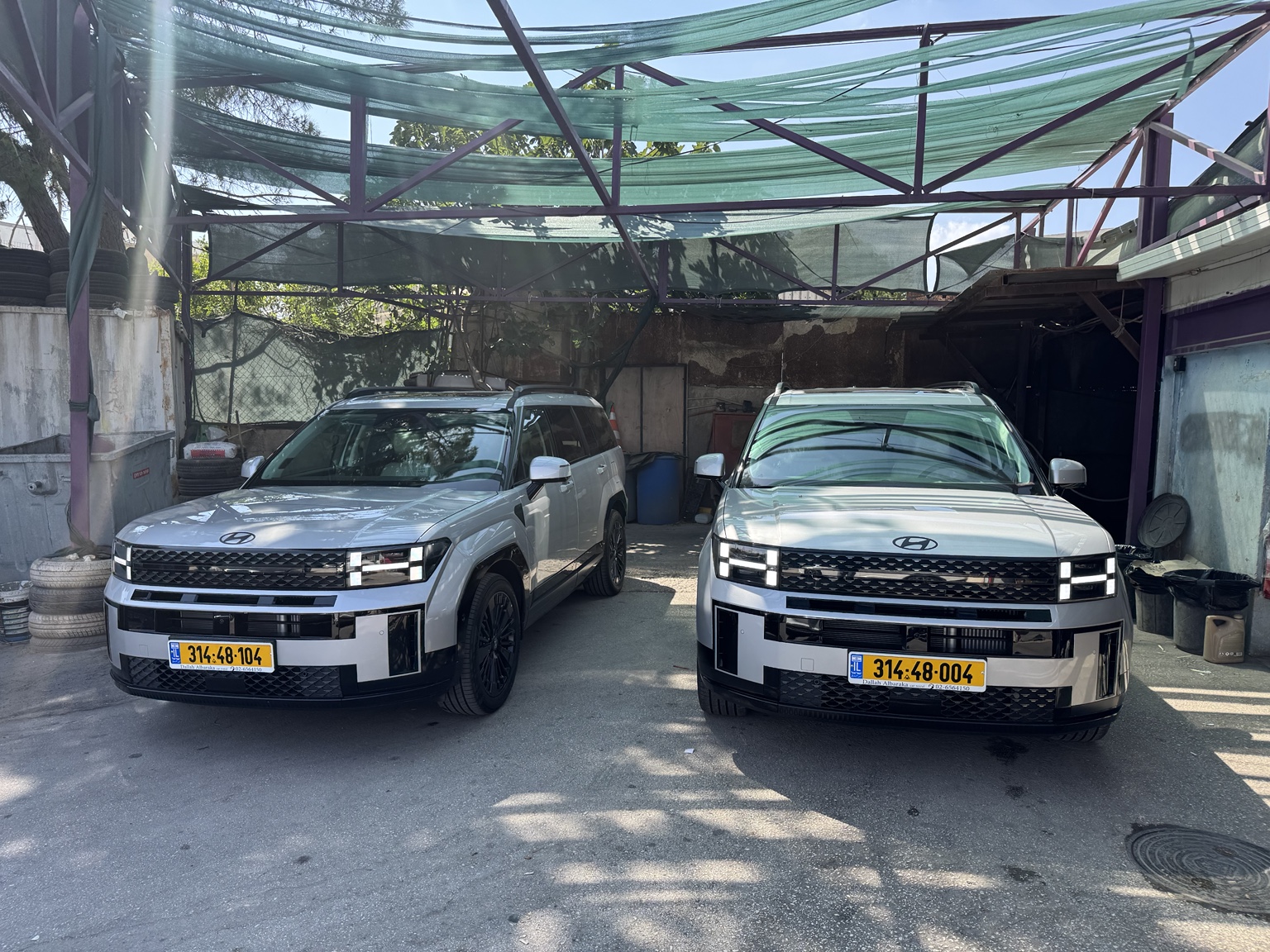
Organisations with multiple vehicles in the field face additional complexity beyond individual rentals. Maintenance scheduling, replacement vehicles during service periods, and consistent insurance documentation across the full fleet all require a provider with genuine fleet management capability.
The most effective arrangement for larger NGOs is a dedicated account manager who knows the organisation's requirements and can handle requests without each one becoming a new negotiation. This also simplifies reporting — invoices arrive in a consistent format that maps to your accounting systems.
Cost Control and Budget Planning
Long-term rental rates are significantly lower than short-term rates per day. For organisations with staff on 6–24 month assignments, negotiating an annual agreement at the outset delivers better value than rolling monthly extensions.
Fleet rates — where multiple vehicles are arranged simultaneously — typically command a further discount. If your programme is scaling up, timing the fleet expansion to negotiate as a package rather than vehicle by vehicle is worth considering.
The Insurance Documentation in Your Procurement File
Many NGO compliance teams require a formal insurance certificate before a vehicle is approved for staff use. This document should explicitly state coverage territory, coverage amounts, and the name of the insured organisation or rental company. For West Bank operations, the certificate should explicitly name Areas A, B, and C as covered territories. If a provider cannot produce this document, treat the coverage as unconfirmed.
Working with Dallah for your NGO fleet
We have 30 years of experience supporting international organisations. We can provide full procurement documentation, cross-border insurance certificates, and dedicated account management for your fleet requirements.