This handbook is written for foreign correspondents and freelance journalists working in the West Bank for the first time, and as a refresher for newsroom logistics managers briefing visiting reporters. It is not a security manual — for that, consult CPJ, RSF, or your bureau's risk officer. It is the transport-specific layer that security manuals usually leave to the rental company.
1. Choosing the right vehicle
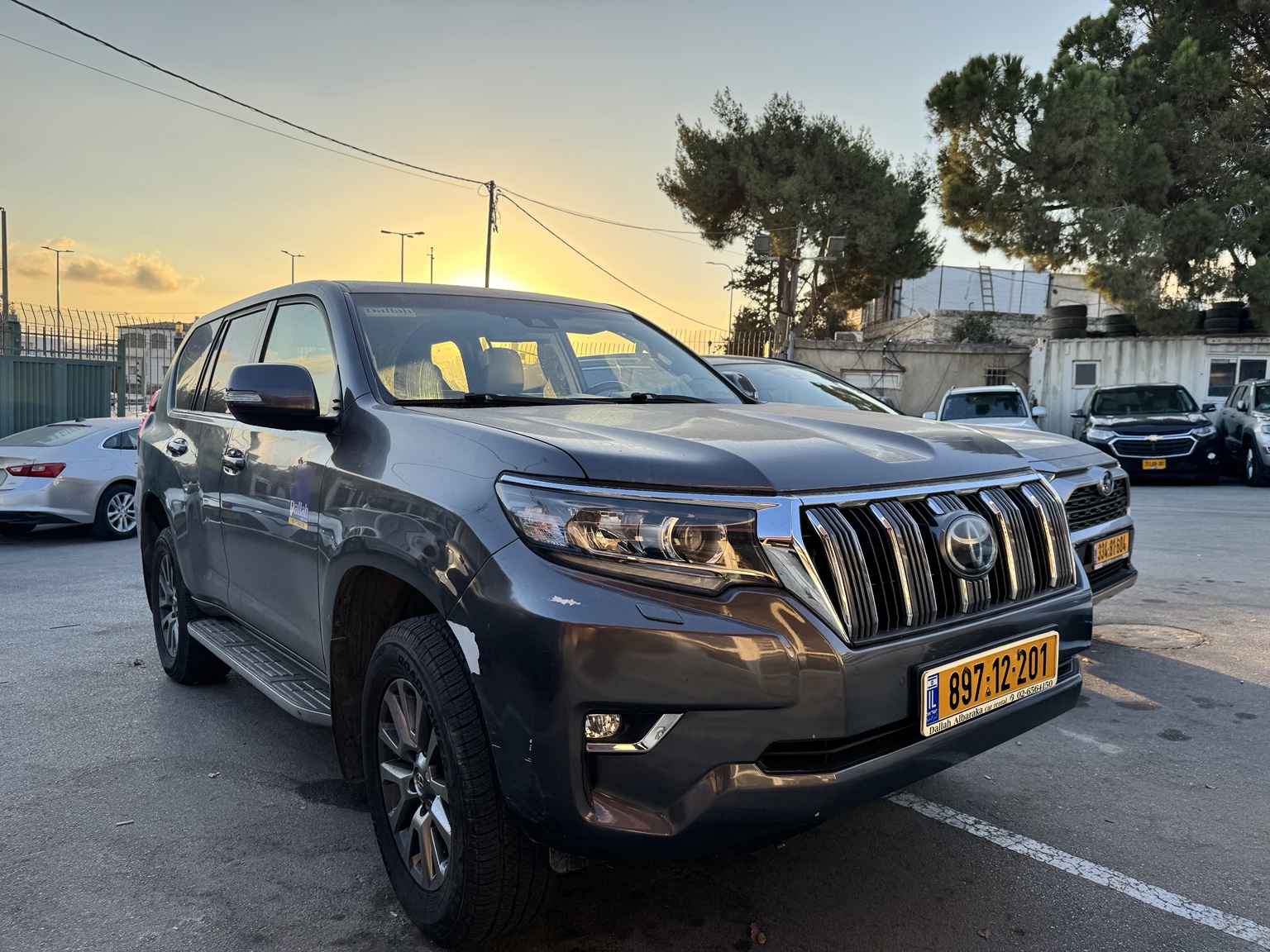
The right vehicle for the West Bank is not necessarily the most rugged. A black high-clearance SUV with tinted windows looks operational from a distance and is more likely to be stopped at improvised checkpoints than a midsize sedan in a neutral colour. For most assignments, an unmarked midsize car is the safer choice. Reserve SUVs for journeys requiring genuine off-road clearance.
2. Yellow vs white plates — what they mean on the road
Israeli yellow plates and Palestinian white plates are not interchangeable. Yellow plates can drive almost anywhere; white plates may not enter Areas inside the Green Line and have restricted access in parts of Area C. Most rental fleets in West Jerusalem are yellow-plate, including ours. White-plate vehicles are sometimes useful for sustained reporting deep inside Area A but introduce other constraints. We can advise on the right plate for the specific assignment.
3. Press marking: when to use it, when not to
Visible "PRESS" lettering helps in some contexts and harms in others. In active clashes near settlements or military operations, a clearly marked press vehicle is less likely to be misidentified. In other contexts — for example travelling between cities at night — being visibly marked can attract attention you do not want. Removable magnetic markings, which we can supply on request, give you the flexibility to use them only when appropriate.
4. Checkpoint behaviour and de-escalation
Lower windows on approach, switch off music, keep both hands visible. Have passport, press credential, and rental documentation already in your lap. Do not film a checkpoint without explicit permission. If a soldier or PA officer asks you to step out, comply calmly. Most checkpoints are routine; the goal of practised behaviour is to ensure the unusual ones stay routine too.
5. What to carry in the car
- Passport and bureau press credential — both, every time.
- Printed Dallah rental agreement and insurance certificate.
- Bottled water, snack bar, charged power bank.
- A small printed map of the route as a fallback when signal drops.
- Our 24-hour roadside number written down (not only in the phone).
- Cash in small denominations — both shekels and Jordanian dinars if heading east.
6. If something happens — Dallah's incident protocol
In any incident — a collision, a flat, a vehicle stop that goes long — call our 24-hour line first. We will dispatch a replacement vehicle from the closest of our three branches and coordinate with your bureau. If the vehicle is impounded for any reason, we handle the documentation with the relevant authority directly so you can continue working.
Bureaux running multiple correspondents on rotation can ask about a press framework: a single account, multiple drivers, fleet flexibility, and one consolidated monthly invoice.
Press & media fleet solutions